The era of AI experimentation is over, and the era of AI execution has begun—that was the clear message from Day 2 of Snowflake Summit 2026.
Key Takeaways
- Snowflake positioned itself as an “agentic control plane” at Summit 2026—shifting from a data repository to an active layer where AI agents take autonomous action.
- Announced 26 AI innovations, including Snowflake CoWork (a personal AI agent for knowledge workers) and general availability of Apache Iceberg v3.
- New Agent Identity Functions establish a zero-trust boundary, requiring second-person verification before high-risk operations like disabling MFA.
- As agents gain more autonomy, enterprises need governance built in from the start—the ability to discover every agent (including shadow agents), observe their behavior, and secure their actions.
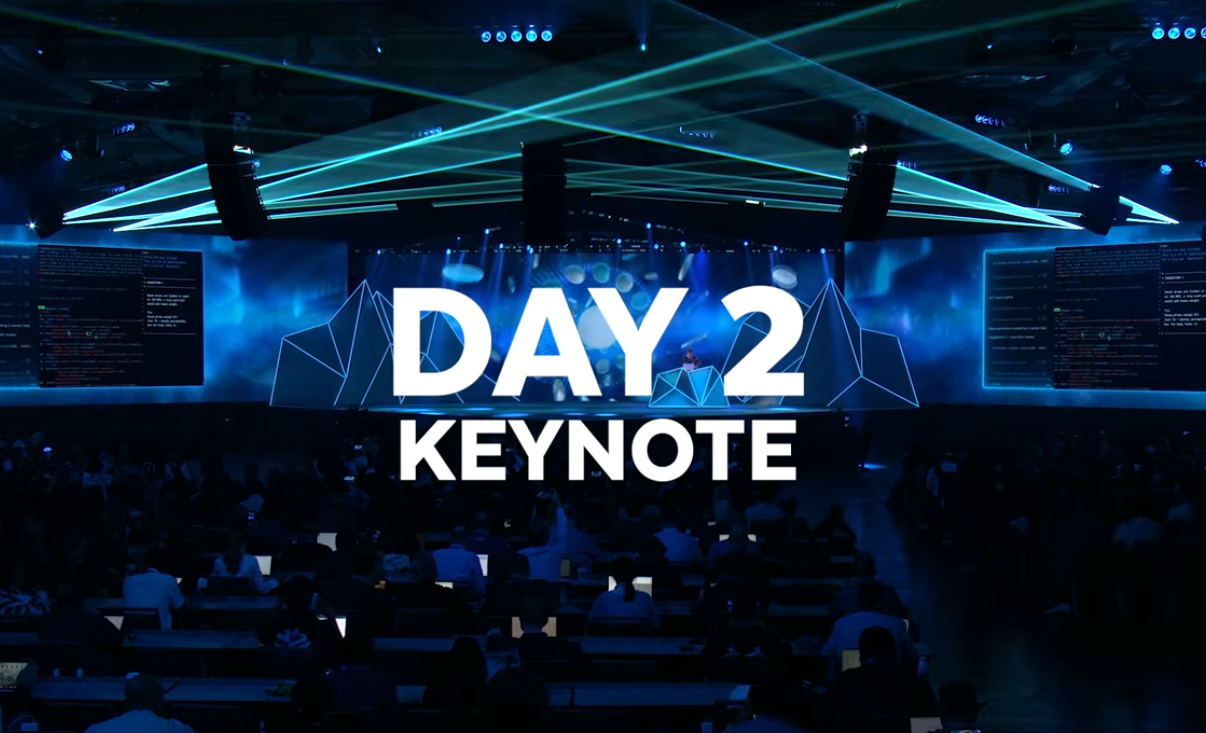
Led by Co-Founder Benoit Dageville and EVP of Product Christian Kleinerman, the Day 2 keynote introduced 26 AI innovations under the banner of “Making AI Real for Business”; a declaration that Snowflake is no longer content being a place where data lives. It wants to be the place where AI acts.
From Data Repository to Agentic Control Plane
The most significant conceptual shift Snowflake announced wasn’t a product; it was a new identity. Dageville and Kleinerman positioned Snowflake as an agentic control plane: an active operational layer where AI agents don’t just surface insights, they take autonomous, secure action on behalf of the business.
This distinction matters enormously. Enterprises have spent years building dashboards and data pipelines that tell people what is happening. Snowflake’s new direction is about systems that respond to what’s happening – automatically, within governed boundaries, and without requiring a human to click “run” every time.
SOME KEY ANNOUNCEMENTS:
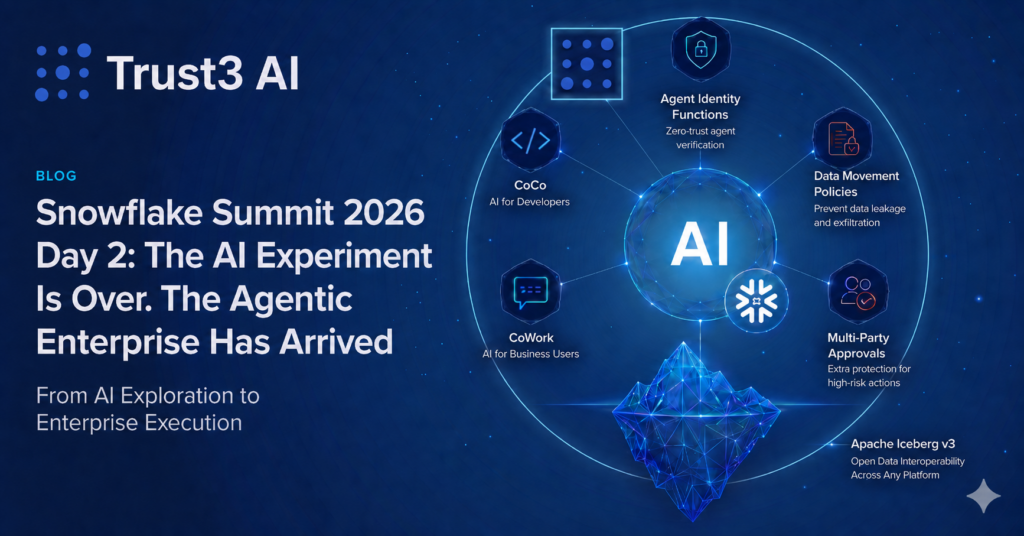
CoCo (Formerly Cortex Code): Launched as a native AI coding agent for developers and data teams, CoCo goes beyond basic code generation. It can reason over data, query both Snowflake and external relational databases, and build autonomous workflows directly within environments like VS Code.
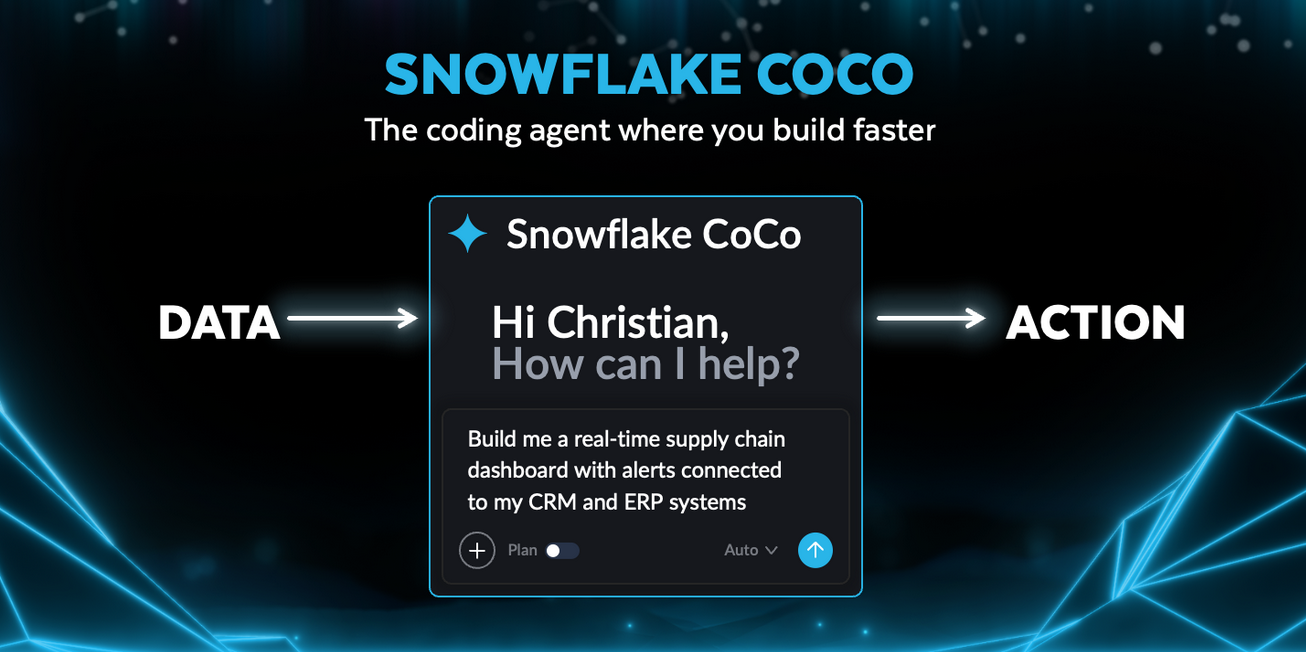
Snowflake CoWork (Formerly Snowflake Intelligence)
Acting as a personal AI agent for knowledge workers, Snowflake CoWork automates routine workflows across fragmented enterprise tools like Slack, Microsoft Teams, and Excel. This agentic functionality is powered by two core capabilities: Artifacts, which allows CoWork to produce structured, reusable outputs from complex queries, and Cortex Sense, which builds deep awareness of a user’s daily work patterns so it inherently understands the context of tasks without requiring detailed prompts.
Open Data Interoperability: Apache Iceberg v3 and Beyond
A deep, production-grade commitment to Apache Iceberg v3, now generally available. The upgrade brings cross-system change tracking and significantly improved performance on semi-structured data. This translates to meaningful gains for organizations running complex analytical workloads across hybrid environments.
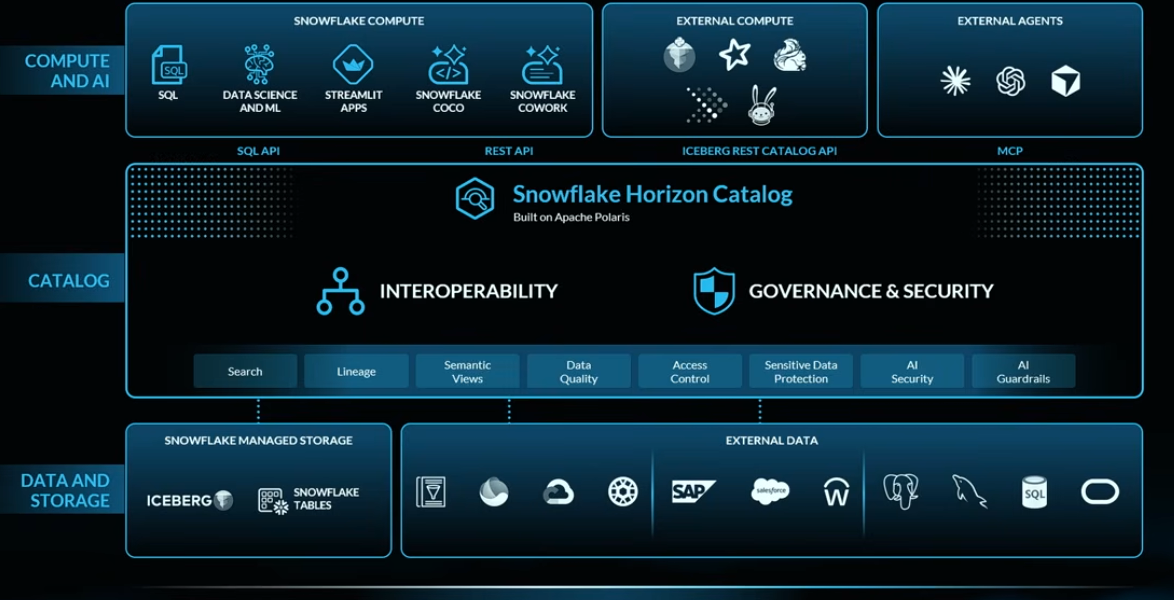
Agent Identity Functions
This feature establishes a zero-trust boundary by dynamically detecting if a request originates from an AI agent rather than a human, automatically restricting or masking data access to prevent agents from inheriting over-privileged user permissions.
Data Movement Policies (DMP)
To stop accidental or malicious data leakage, this capability allows security teams to tag sensitive assets, programmatically blocking autonomous agents from downloading data via the UI or exfiltrating it to external cloud stages.
Multi-Party Approvals
Designed to eliminate single points of failure, this feature mitigates insider threats and compromised admin accounts by requiring mandatory, second-person verification before high-risk operations, such as disabling MFA, can be executed
What This Means for Enterprises Adopting AI
In this next phase of enterprise AI, trust has to be built in from the start. It can’t be added later as a safeguard. As agents take on more autonomous work across data, workflows, and decisions, enterprises need confidence that these systems are grounded in the right context, governed by clear policies, and fully auditable in how they operate. That foundation is what allows AI to move from experimentation into real business execution.
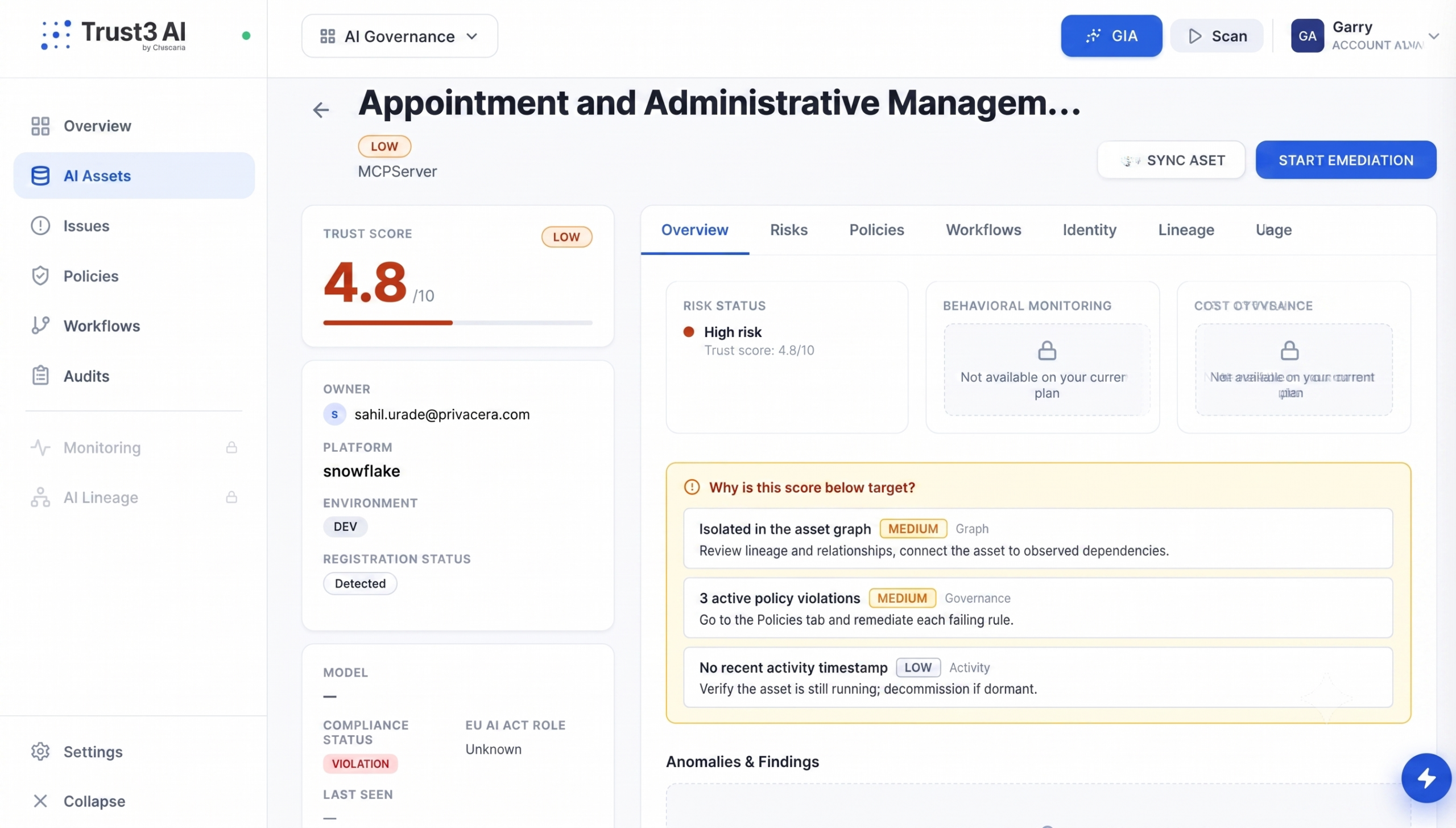
Trust3 AI matters more in this new paradigm
Trust3 AI matters because it speaks directly to that challenge. The biggest opportunity is not just deploying smarter agents, but doing so in a way that balances autonomy with ability to discover agents (including shadow agent, proactively observe agent behavior and proactively protect from any incident that might occur, and secure agent access to data at a granular level and guard agents from sharing sensitive information to other agents (A2A security). The organizations that will lead with these principles will be the ones that can really move from experimentation to execution of AI. They will be able to implement AI in production at scale and generate lasting business value out of their AI implementation.
Book a 30 minutes meeting with our AI experts and get a free assessment on your AI governance readiness.
More from Trust3 AI
- From Snowflake Keynote Vision to Cross-Platform Reality: Securing the Agentic Enterprise
- Fuel Up at Trust3 AI’s Coffee Truck at Snowflake Summit and Learn How to Secure Your Agents in a Growing Environment
- Trust3 AI and Snowflake on August 25: Who’s Governing Your Agents?
- Governed Access to Any Source From OneLake
- Enterprise AI Governance for Snowflake MCP: Secure Agent Access at Scale
- Trust3 AI Launches Native App on Snowflake Marketplace to Secure Enterprise AI
Related Articles