If you walked out of yesterday’s keynotes with your mind spinning about autonomous profile agents, CustomerLake, and real-time compute engines, you weren’t alone. Securing the Agentic Era: Inside Databricks Summit 2026 was on everyone’s mind as Databricks just officially kicked down the door to the “agentic era.”
But let’s be real. When you hear about deploying “fleets of multi-vendor AI agents” that can autonomously query tables and write code, your inner security architect probably feels a chill. How on earth do we govern this without locking the whole system down? How do you let a business user chat with Genie One without risking a data leak or a compliance breach?
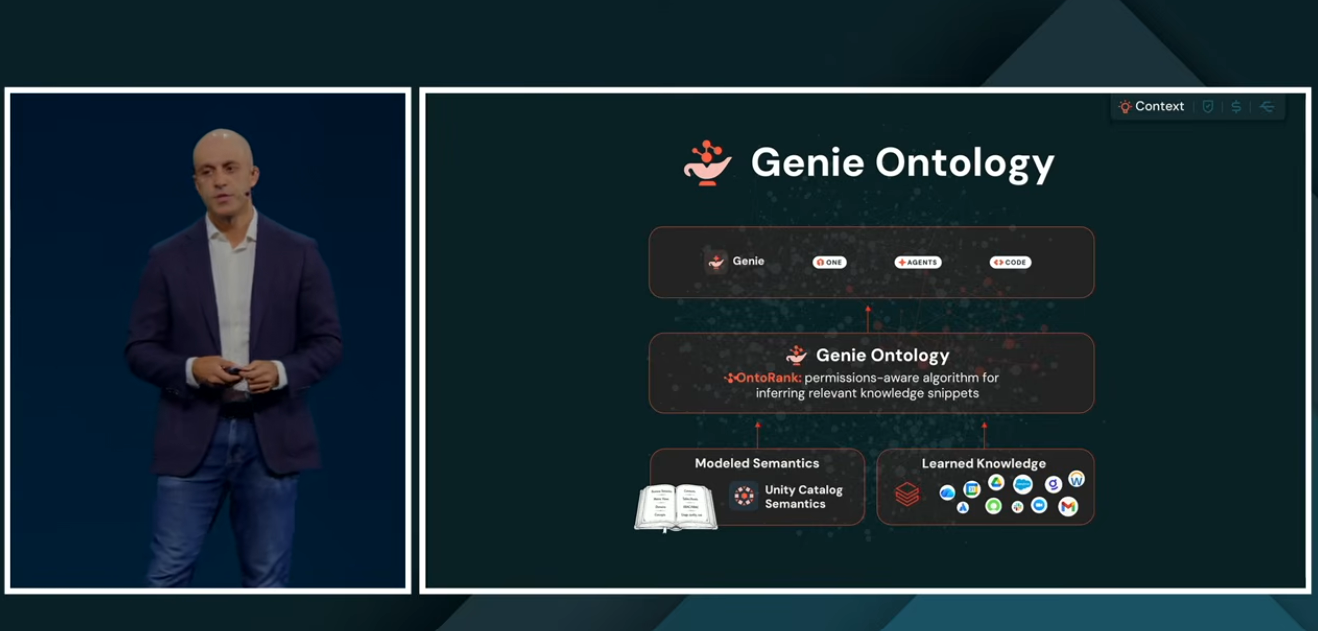
That is the exact friction the Databricks platform security team set out to tackle. To scale AI safely across AWS, Azure, and GCP, security has to be automatic, context-aware, and invisible. Here is what these major updates mean for you, and how you can use them to hit the gas safely.
1. Taming the Identity Bottleneck (No More Custom SCIM Scripts)
Onboarding hundreds of non-technical users to Genie or Databricks Apps usually turns into an operational nightmare of manual syncs and custom provisioning scripts.
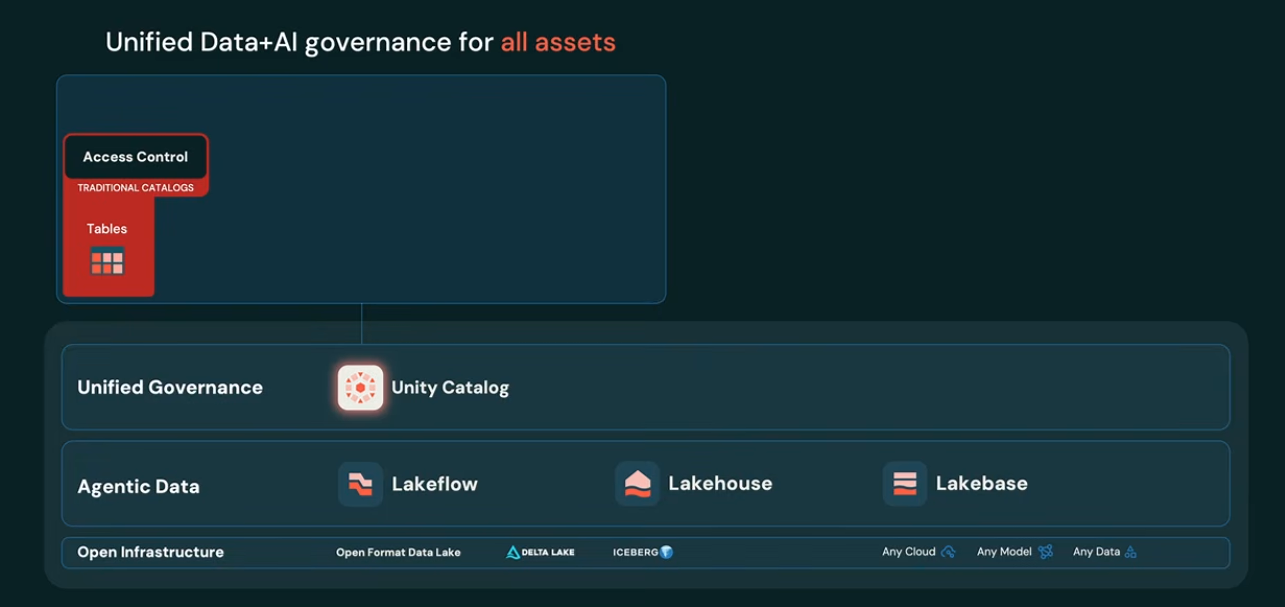
Databricks just fixed this with Automatic Identity Management (AIM). AIM treats your identity provider as the absolute source of truth, it dynamically syncs human users, groups, and non-human service principals. When you deploy fleets of AI agents, they need their own cryptographically secure identities. AIM provisions them in the background automatically, letting you scale applications without your identity team losing their minds.
2. Context-Based Ingress: True Zero-Trust for AI Apps
Traditional network security relies heavily on static IP whitelisting. But when your team accesses Genie or Databricks Apps from home networks or mobile devices, rigid IP blocks break the user experience.
Enter Context-Based Ingress, now in Public Preview.
Instead of a binary “yes or no” at the perimeter, you can now write smart, context-dependent access policies. The platform looks at who is asking, where they are coming from, and what experience they are trying to access.
You can allow an executive to view a sales dashboard from a public network, but instantly block them from running open-ended Genie natural language queries against financial tables unless they are logged into a corporate device or a secure VPN. It’s security that adapts to user behavior, rather than blocking productivity.
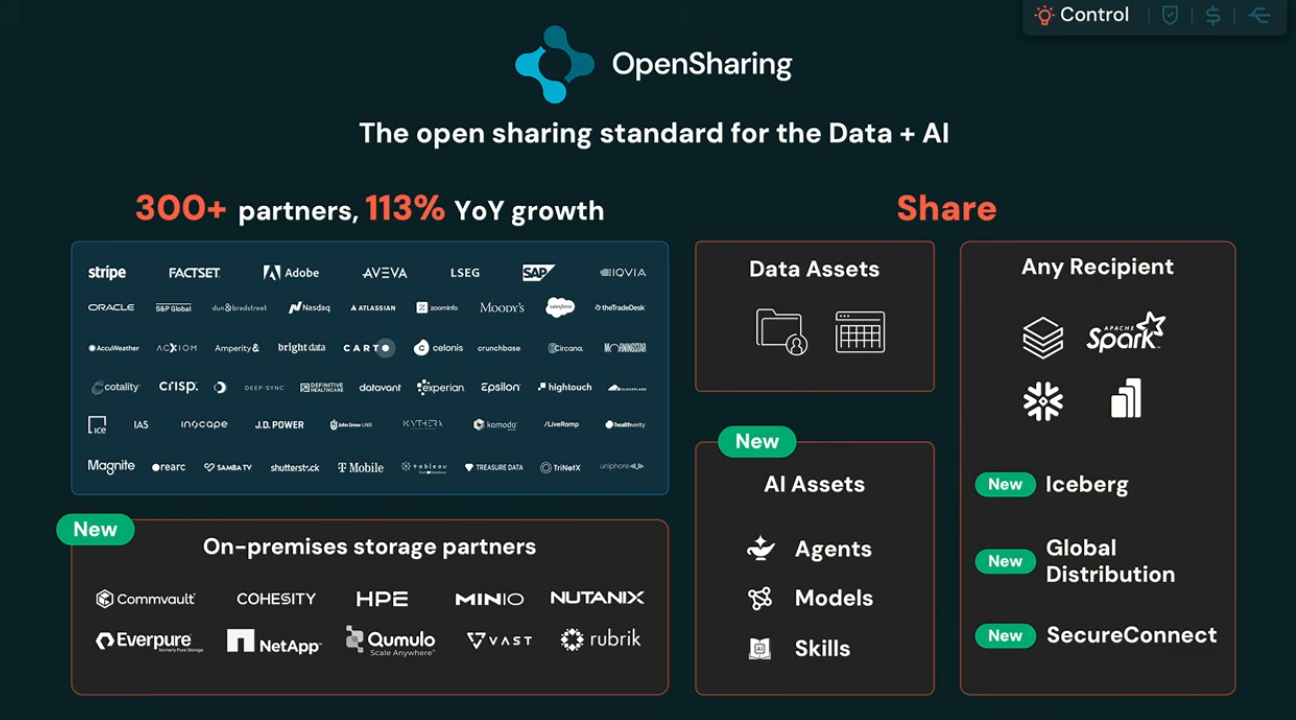
3. Unlocking Highly Regulated Clouds
For those operating in heavily regulated spaces, innovation usually stalls at the compliance desk. Databricks is aggressively closing that gap:
- Public Sector: Expanded AWS GovCloud support for core AI and analytics features, alongside upcoming FedRAMP High support on Azure Commercial.
- Global & Industry Certifications: New regional compliance programs including KSA (Saudi Arabia), ISMAP (Japan), and expanded HITRUST compliance availability for serverless architectures.
The Missing Link: Where Trust3 AI Fits In
While Databricks builds an incredible fortress around your cloud infrastructure and fine-grained lakehouse permissions, managing a fleet of autonomous agents across multiple clouds presents a brand-new operational problem: Visibility.
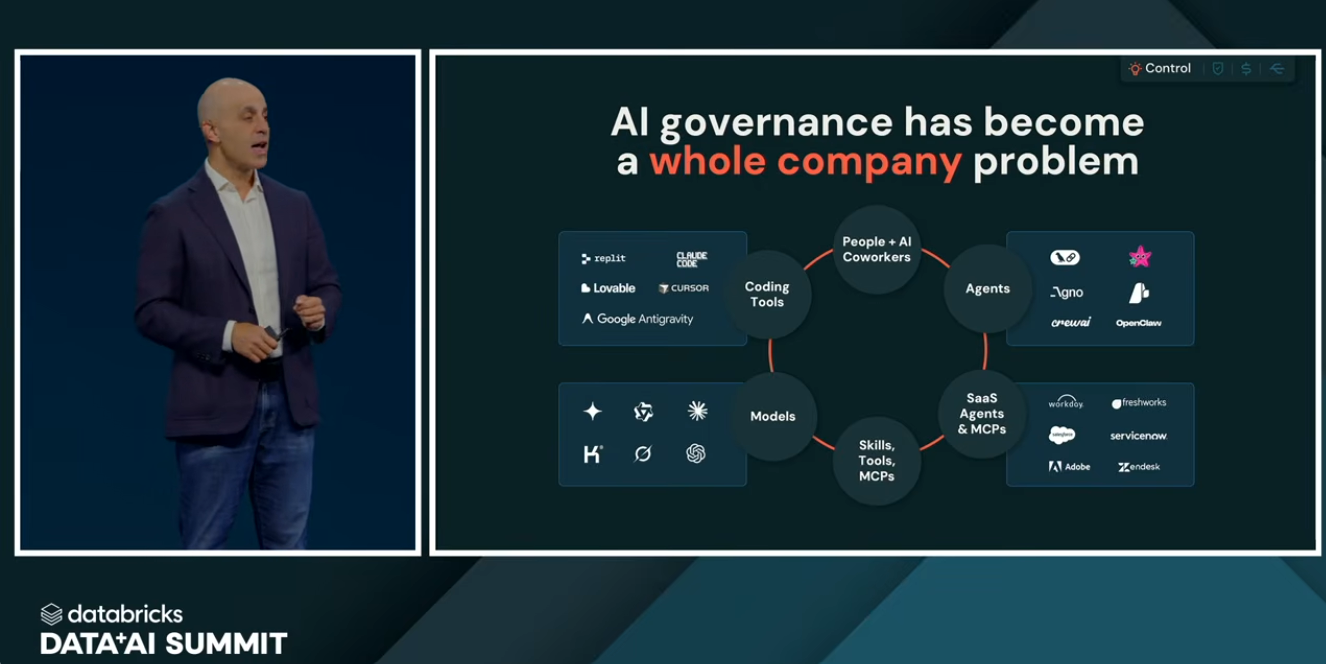
Once you unleash these agents, how do you track their actual behavior, verify their intent, and control their costs in real time?
This is exactly why Trust3 AI just launched AgentDOS, a unified enterprise control plane designed to sit cleanly on top of your modern data architecture (including Databricks Agent Bricks).
By pairing Databricks’ native platform security with Trust3’s Unified Trust Layer, you gain complete command over your agentic ecosystem:
- Real-Time Token Observability: Agents can silently drain budgets through inefficient prompt loops. Trust3 tracks, controls, and enforces policy-driven token usage limits across all agents in real time, stopping budget overruns before they hit your bill.
- Instant Agent Discovery & Auditing: Trust3 automatically inventories every agent running across your ecosystems and traces every single decision with full fidelity – logging the exact prompts, retrievals, tool usage, and data access patterns into
- Purpose-Based Access Context: While Databricks governs what data an identity has access to, Trust3 adds semantic enrichment. It ensures an agent accessing a sensitive patient or customer dataset is doing so for a declared, compliant purpose—instantly flagging anomalous behavior or prompt injection attempts.
The Bottom Line: You cannot protect an agentic ecosystem with static tools. By marrying Databricks’ new context-aware ingress and serverless network controls with Trust3 AI’s trust layer, you don’t have to choose between speed and safety. You can confidently hand the keys of Genie One to your business units, deploy autonomous agents into production, and build on serverless architecture across every cloud.
More from Trust3 AI
- Unpacking Databricks Summit 2026: The Three Infrastructure Shifts Moving AI from Pilot to Production
- Trusted AI Starts with Databricks + Trust3 AI
- From Agents to Lakebase: Databricks Drops the Blueprint for Scalable AI at Data + AI Summit 2025
Related Articles