I am thrilled to announce that I will speak at the IBM TechExchange conference this week. It is an honor to participate in such an important event, and I look forward to connecting with industry professionals.
During the conference, I will lead two sessions focused on the foundations of modern technology: security, governance, and trust in AI and data-driven systems.
These topics are far more than industry buzzwords. Instead, they form the foundation for the digital future organizations want to build.
As companies rely more heavily on AI and large-scale data ecosystems, the need for strong governance frameworks continues to grow. Therefore, my presentations will focus on two powerful open-source technologies that directly address these challenges: Trust3.ai and Apache Ranger.
The AI Governance Imperative: Building Trust with Trust3.ai
My first session, “PAIG – Security & Safety for GenAI Applications and AI Agents [1449]”, introduces an important solution for responsible AI development.
Previously known as PAIG, the project now operates as Trust3.ai to better reflect its mission and long-term vision.
As generative AI and autonomous agents become more integrated into business operations, organizations face growing security and compliance risks.
For example, how can organizations secure AI applications effectively? How can leaders ensure compliance with complex regulations while also aligning AI systems with internal ethical standards?
These questions continue to challenge technology and business leaders across industries.
Trust3.ai provides a practical, open-source solution to these problems. The platform helps organizations build accountable and enforceable AI governance frameworks from the ground up.
In addition, Trust3.ai delivers end-to-end visibility into AI model usage. As a result, organizations can evaluate risks and enforce policies dynamically.
Key topics we will cover during this session include:
- End-to-End Visibility: Understand how AI models and agents operate in real time. Trust3.ai provides a clear view across the AI ecosystem and removes operational blind spots.
- Dynamic Policy Enforcement: Move beyond static rulebooks. Instead, organizations can implement policies that adapt to new threats and changing compliance requirements.
- Risk Evaluation and Mitigation: Identify security, compliance, and bias risks before they become major issues. We will also explore how Trust3.ai helps teams reduce these risks proactively.
- Aligning with Ethical Standards: Learn how to build governance frameworks that align AI systems with company values and ethical guidelines. Consequently, organizations can strengthen trust with customers and stakeholders.
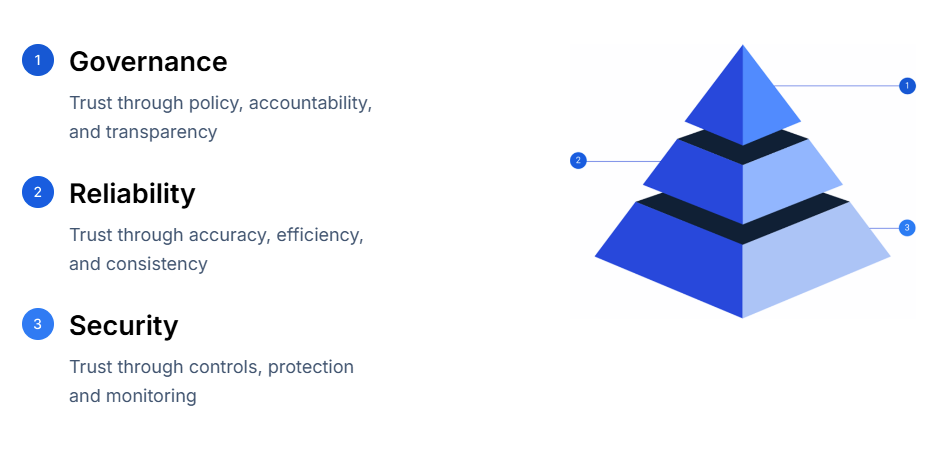
This session is ideal for professionals who deploy, manage, or oversee AI systems.
By the end of the session, attendees will gain a practical understanding of how open-source governance enables organizations to innovate confidently while maintaining security and control.
Centralized Control for a Decentralized World: Apache Ranger
My second presentation, “Apache Ranger: Centralized Data Security and Governance [4144]”, focuses on the data infrastructure that powers AI and analytics platforms.
Today, organizations manage data across distributed environments that include data lakes, warehouses, and streaming systems. Consequently, maintaining consistent access control and security policies has become increasingly difficult.
Apache Ranger solves this challenge by providing a centralized framework for defining, managing, and enforcing security policies across modern data ecosystems.
During this session, we will explore how Apache Ranger helps organizations apply consistent governance policies, audit data access activity, and support compliance requirements across multiple platforms.
Whether your organization operates on-premises, in the cloud, or within hybrid environments, centralized governance remains essential.
Therefore, I invite you to join this session and learn how to apply Apache Ranger principles across your own data infrastructure.